Seconda linea di resistenza della Valtellina (1915-1918)
The Valtellina Second Defensive Line
Zweite Verteidigungslinie des Veltlins

The military hospital at Villa Visconti Venosta
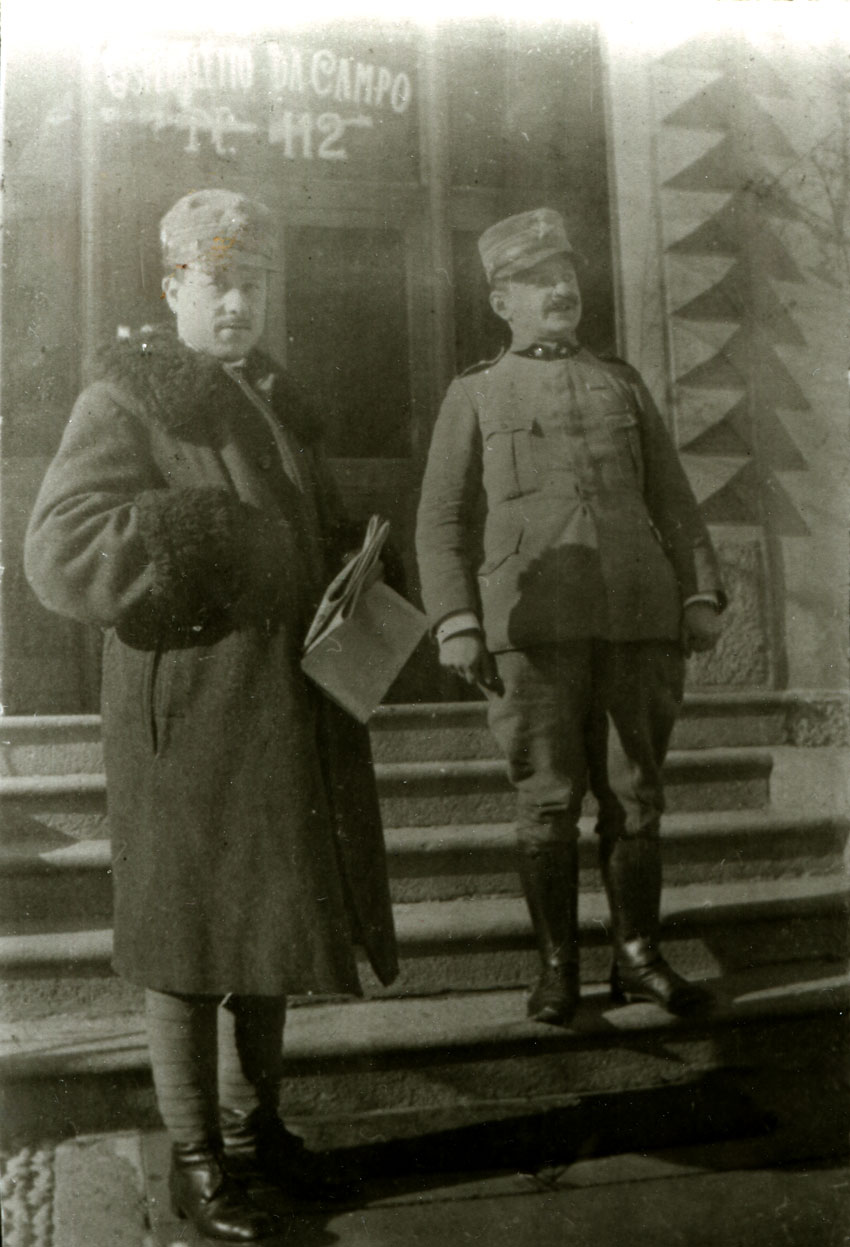
During the First World War, Villa Visconti Venosta was also used as a field hospital. With a capacity of 50 beds, it operated from 26 May to October 1916 and again from February 1918 until 10 November 1918.
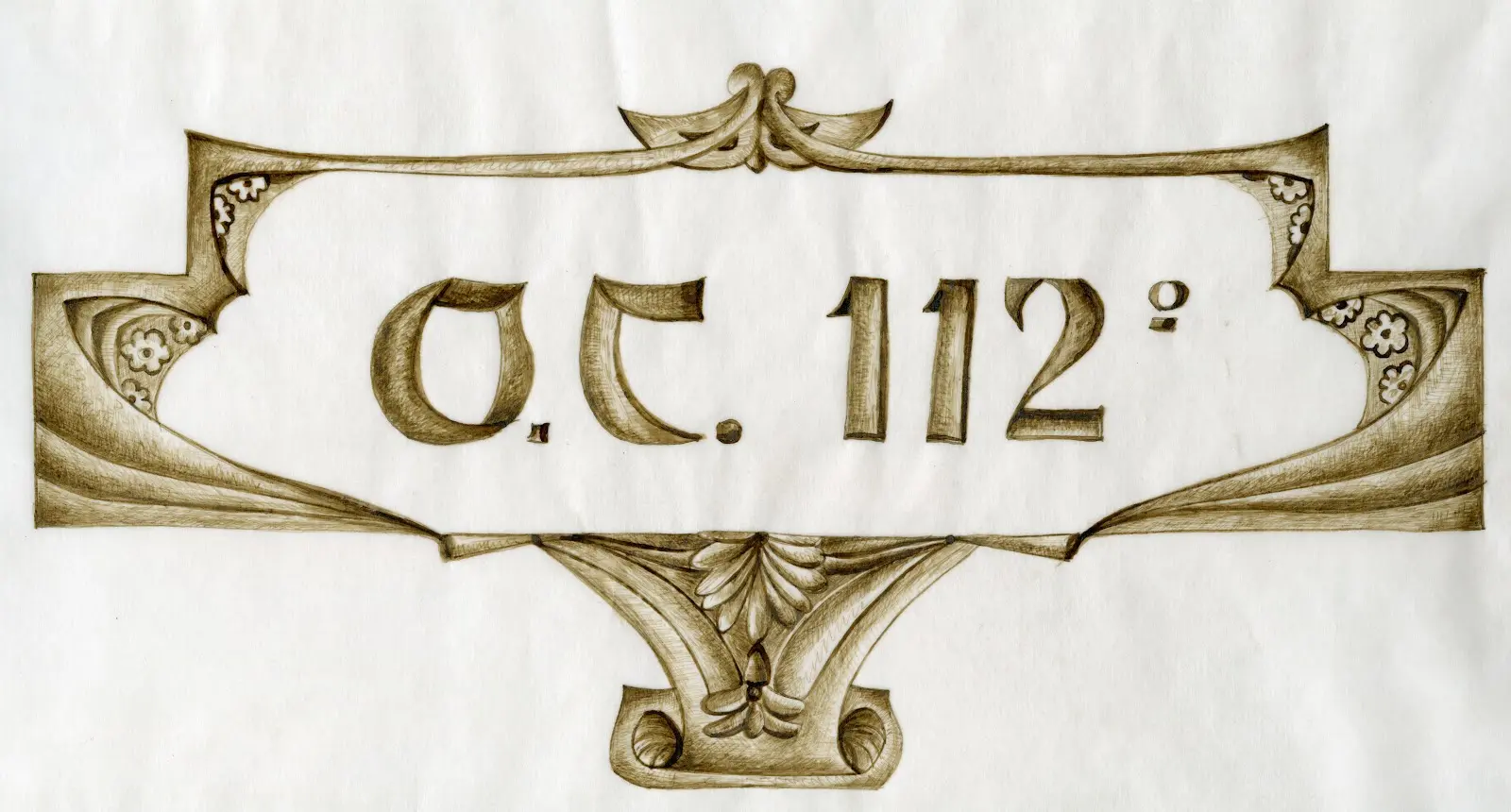
The coat of arms of Field Hospital No. 112***
How was healthcare organized in Upper Valtellina during the Great War?
Medical aid posts were located close to the defensive lines, while field hospitals consisted of tents where the most seriously wounded were operated on. Together with the forward infirmary in Bormio, the mule transport unit at S. Lucia and the field hospital in Tirano, this building formed the healthcare service of the “Valtellina Sector”. Another field hospital operated in Sondrio from April to November 1918; in the provincial capital, there was also an Italian Red Cross wartime hospital in August 1915. *
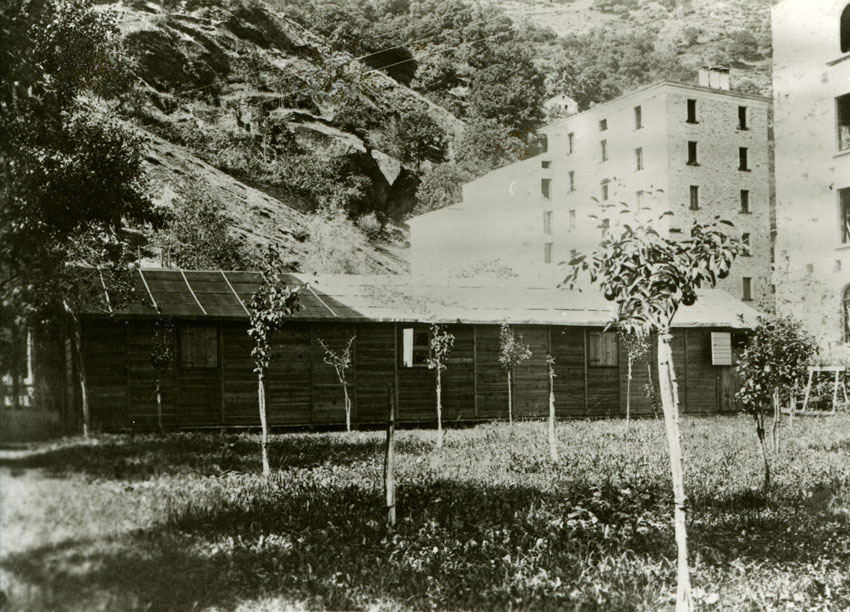
Barracks built to expand Field Hospital No. 112***
The Military Medical Corps was supported by Red Cross doctors, nurses and volunteer Red Cross nurses. The Medical Section was attached to the Regiment and divided into two Medical Units, each commanded by a lieutenant who was a doctor and surgeon. Pack transport medical units were also added to evacuate wounded soldiers from the front lines with the help of mules or horses.
The red crosses painted on the façade and the signs above the doors still bear witness to this chapter in the history of the noble residence and recall the different uses of its rooms: Pharmacy, X-ray Room, Medical Ward, Operating Theatre, Dressing Room, Disinfection Room, Kitchen and Laundry. **
Many period photographs also show the interiors and exteriors of the Villa (and the Hospice). They were taken by Captain Giovanni Soika between the summer of 1916 and autumn 1917, during his forced stay at the field hospital. These photographs, collected in the album “Ricordi di guerra” (“Memories of War”), can now be viewed freely at the Villa’s ticket office.
There are plans to place some of these photographs where they were taken, allowing visitors to compare the Villa’s elegant appearance today with its austere furnishings, once arranged to care for wounded soldiers.
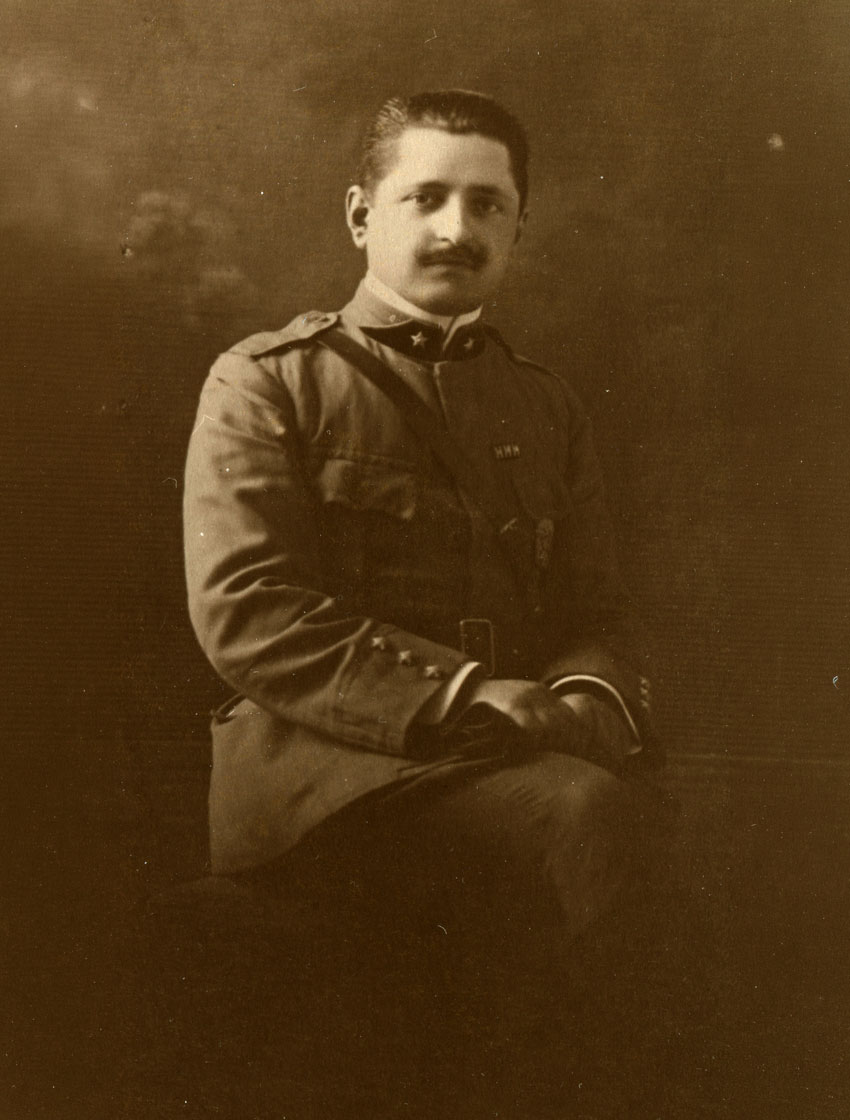
During the Second World War, the Villa was used as a German garrison for a short time.
A visit to Villa Visconti Venosta—a truly unmissable stop—concludes Route 1 of the “The Fortress of Grosio” project. In the future, two more easy-to-access walking routes around the village will be developed, featuring period photographs, historical documents and anecdotes that testify to the important role played by Grosio during this dramatic chapter in history.
* Source: Rodigari, M. (2024), “Tracce di Storia”, p. 180.
** Source: villaviscontivenosta.it
*** Source: Stefano Zazzi Archive

Con il contributo di


Con il contributo di

Iniziativa patrocinata e sostenuta dalla Provincia di Sondrio